





Listing your house in a seller’s market can feel like a dream come true. You set a high asking price, schedule an open house, and wait for the offers to roll in. If the offers don’t come, you may start to panic. Why isn’t your house selling when others in the neighborhood go under contract in a matter of days?
Although homes sell faster on average in hot markets, there are still plenty of reasons a property may struggle to get offers. Understanding why homes sit on the market will help you pinpoint the reason your house isn’t selling.

Why Houses Don’t Sell in Hot Markets
Homes in competitive markets can struggle to sell for a variety of reasons. Sometimes, the condition of the property is an issue. In other cases, the seller and seller’s agent make choices that hinder the home’s performance. Here are seven reasons a house might not be selling:
1. Pricing Issues
Overpricing is one of the most common reasons a home sits on the market for longer than average. Sellers often get overly ambitious when the market is hot. However, just because the market conditions favor sellers doesn’t mean that sellers can ask whatever they want for their homes. Buyers will still ignore houses that appear overpriced.
Underpricing can be an issue, too. Sellers may underprice their house in the hopes of generating more interest from buyers and starting a bidding war. This strategy can backfire, though. If buyers think the house is priced low because of a defect, they might steer clear of it.
2. Maintenance Problems
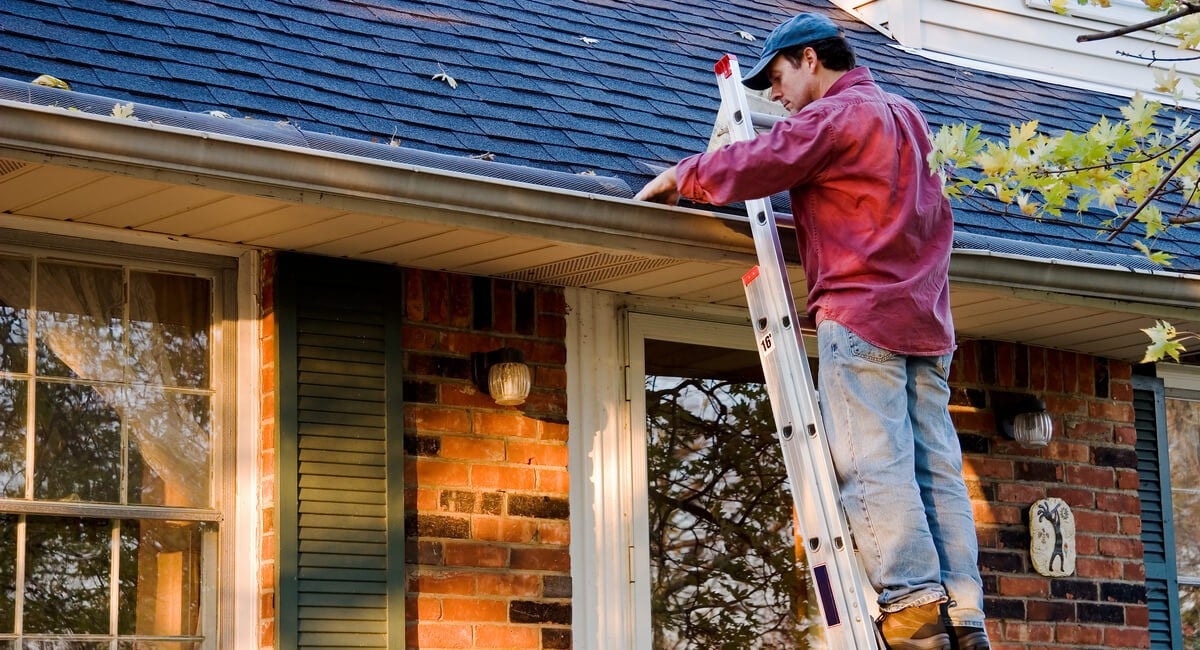
Poorly maintained homes do have a better chance of selling in a hot market than they do in an average market. You may find a buyer who’s looking for a fixer-upper to save on their housing costs or to flip and re-sell.
However, properties with maintenance issues will almost always attract fewer buyers than houses in perfect condition. This is especially true if the home has an old roof, aging septic system, or needs other big-ticket repairs.
3. Poor Marketing
One of the seller’s agent’s most important tasks is marketing the house to prospective buyers. A good marketing strategy includes high-quality photos, videos, a catchy listing description, social media outreach, open houses, and more.
A house could be in perfect condition and competitively priced, but if the seller’s team doesn’t market it correctly, it just won’t get the attention it deserves. In hot markets, this sometimes happens because sellers and their agents are too confident about how the property will perform. They may decide they don’t need the best photos or the most thoughtful listing description, but this lack of care could result in more time on the market.
4.Inconvenient Showings
For a home to sell, buyers need to have the opportunity to see it. Things move quickly in hot markets, and buyers know that they have to act quickly when they see a property they like. If they can’t attend an open house or schedule a showing within a few days of seeing the listing, they’ll move on to the next home.
Inconveniently scheduled open houses can be a big problem for sellers. Similarly, lack of flexibility or availability from the seller or seller’s agent for private showings can set the process back.

5. Bad First Impression
First impressions always matter in real estate. Potential buyers will make immediate judgments on a home as soon as they see the exterior and as soon as they step through the door. Bad curb appeal from an otherwise perfect house could turn buyers away. An overgrown yard, cluttered porch, or damaged exterior paint can leave a negative impression.
Subtle issues on the inside of the house can cause the property to lose its appeal, too. Odors are one of the biggest reasons buyers lose interest. Smoke or pet smells can lead buyers to believe the house is dirty or poorly cared for. Poor lighting, peeling paint, and other easily fixable issues can also make a house feel drab or dirty.
6. Unusual Features
Unusual houses will always be harder to sell than homes that fit in perfectly with the neighbors. For example, the house might be a hundred years older than the other homes in the community. While some buyers love the charm and history of an old house, the property will almost certainly attract a smaller pool of buyers than a modern home.
This is also true for properties with irregular floor plans and houses that are much larger or smaller than the neighboring homes. Most buyers look for houses that fit in. It can take longer for an unusual property to find its perfect buyer, even in a hot market.
7. Suspicious Sale History
A property’s sale history can provide useful information to prospective buyers, but unfortunately, it can also turn buyers away. Buyers are skeptical of homes that have been listed multiple times in recent years or that have gone under contract and then returned to the market. They may assume that the house is overpriced or that an inspection revealed a major problem.
Sometimes, a deal falls through for no fault of the seller or the property. However, buyers won’t see the full story. They’ll only know that there have been multiple recent attempts to sell the house, and they’ll wonder why it’s struggling to sell.

How Buyers Can Assess Homes That Have Sat on the Market
If you’re in the market as a buyer, you might feel suspicious of a house that’s been listed for far longer than average. The best thing you can do in this situation is get curious.
With your agent, try to figure out why the property isn’t selling. Maybe there’s something wrong with the house, or maybe it just hasn’t been marketed well. Your agent may be able to get more information about the property’s history and why the sellers are moving. Consider attending a showing to see if the house lives up to your expectations from the listing.
If you do make an offer on the home, it’s wise to include an appraisal and inspection contingency. This will help to protect you in case the house is overpriced or has significant maintenance issues.

What Sellers Can Do to Close the Deal
If your house is failing to sell in a hot market, it’s time for you and your agent to re-evaluate your strategy. The home could be priced too ambitiously, or the listing may not be reaching the correct pool of buyers.
Consider dropping the price slightly so it reaches buyers who are searching in a lower price bracket. If you’re sure that the home is in good condition, get a pre-listing inspection and offer a copy to buyers at open houses and showings.
Although selling a house is easier in a hot market, not all homes will sell right away. Marketing mistakes, maintenance problems, or other unique circumstances can prevent the offers from coming in. This doesn’t mean the home is doomed, though. With some adjustments to your strategy, the right buyer will come along.